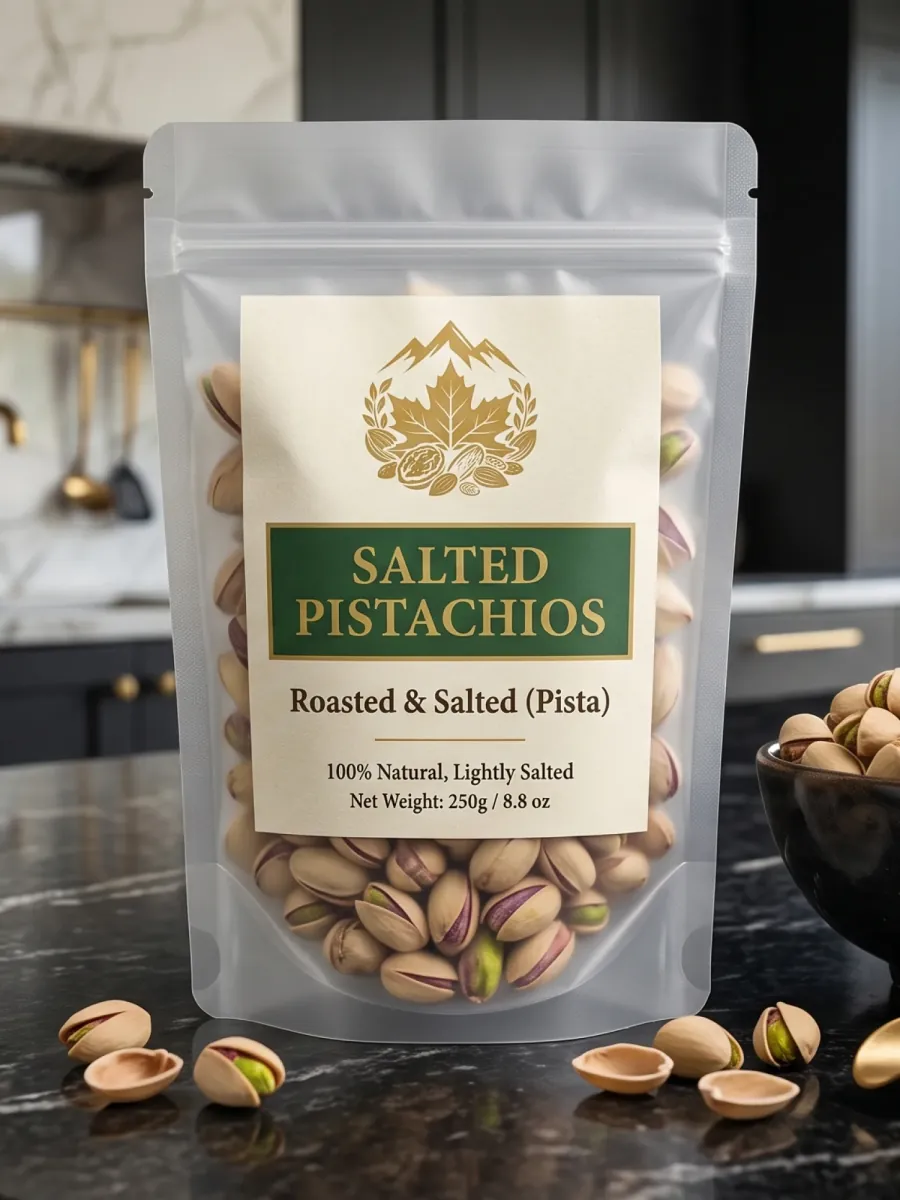
That jar of pista has been open since Diwali
Most people ask how to tell if pistachios are bad only after a bad mouthful. The nut tastes flat, bitter or oddly chewy, and you wonder if the whole jar is wasted.
The answer depends on what went wrong. Rancid, mouldy and merely soft pista are three different problems. Only one of them is dangerous.
This guide shows how to tell them apart with your nose, tongue and eyes. It also gives a storage routine for Indian weather. Valley Origin does not sell pistachios yet, but the habits here work for any nut. You can see what we do sell on our products page.
How do you tell if pistachios are bad?
Check smell first, then look, then taste one nut. Fresh pistachios smell mild and sweet. Bad ones smell sharp, sour or like paint, look shrivelled, dark or powdery, and taste bitter. Any fuzzy or powdery growth means mould, and the whole batch goes in the bin.
Work through these steps in order. Stop at the first failure.
- Smell a handful. Fresh pista has a faint, sweet, nutty smell. A sharp, sour or nail-polish-remover smell means the oils have oxidised.
- Look at the kernels. A good kernel is pale green to yellowish, plump and firm. Brown, shrivelled or withered kernels are old.
- Look for growth. Pale, powdery or fuzzy patches are mould. Also look for tiny webs, holes or fine dust, which point to insects.
- Break one open. The kernel should snap with a clean crack. A bendy kernel is damp, not necessarily bad.
- Taste one. Sweet and creamy is right. A sharp, biting or bitter flavour means rancid.
If the smell fails, you do not need to taste. Discard the batch.
How do you know pistachios are rancid?
Rancid pistachios smell sharp, sour or like paint, and taste bitter or biting. The oil in the nut has reacted with air and gone off. They are unpleasant rather than the main safety risk, but there is no reason to eat them.
Pistachios are rich in oil, which is why they taste creamy. That oil slowly reacts with oxygen, and heat, light and time speed it up. The smell changes first, long before the nut looks different.
Kitchen-science sites that cover pistachio spoilage agree on the signs: a chemical or nail-polish smell and a sour or bitter taste, and a “sharp, biting, and bitter” flavour. The second source also notes that rancid pistachios are not necessarily unsafe, only unpleasant.
Roasted and salted pista goes off faster than raw. Roasting damages some of the nut’s natural protection, so a jar of roasted pista bought for Diwali will not last as long as raw kernels.
Why are my pistachios soft or rubbery?
Soft or rubbery pistachios have usually soaked up moisture from the air. That is a storage problem, not rancidity. If they smell sweet and show no mould, they are safe to eat, and you can dry them gently in a pan or oven.
Nuts pull water from damp air. In an Indian monsoon, a pack left open for a few days can lose its crunch completely.
Here is how to tell soft from spoiled:
- Soft: smells sweet, no dark patches, bends instead of snapping.
- Spoiled: smells sharp or musty, tastes bitter, shows powdery or fuzzy growth.
To rescue soft but sweet-smelling pista, spread the kernels on a dry pan or oven tray. Warm them on low heat for a few minutes, stirring often, then let them cool fully before you seal them. Do not let them brown. This is a common kitchen method rather than a tested one, so taste a nut afterwards. If it is not right, bin it.
Can you eat pistachios with dark spots?
It depends on the spot. A dry brown tint on the kernel can be age or the nut’s skin. Powdery, fuzzy or greenish-grey patches are mould, and you should discard them. If you are unsure, do not eat the nut.
Pistachios have a thin purple-brown skin, and some kernels are naturally darker. A slightly darker kernel that smells fine and tastes sweet is just old or uneven in colour.
Mould looks different. It is powdery or fuzzy, and often sits in the cracks of the shell or on the kernel. The World Health Organization advises inspecting nuts and discarding any that look mouldy, discoloured or shrivelled.
The reason is aflatoxins, poisons made by certain moulds that grow in warm, damp and humid conditions. WHO names pistachio among the tree nuts regularly affected. Do not pick out the clean-looking nuts. Throw the whole jar away.
How should you store pistachios in humid weather?
Keep pistachios in a truly airtight jar or zip bag, in a cool, dark cupboard away from the stove. In monsoon or a hot kitchen, move the jar to the fridge. Always use a dry spoon, and never put the lid on while the nuts are warm.
A steel dabba with a loose lid is not airtight. Damp air gets in every time you open it. Follow this routine instead.
- Decant at once. Move pista from the shop pack or loose bag into a clean, dry glass jar or a thick zip bag with the air pressed out.
- Store small. Keep a small jar on the shelf for the week. Keep the rest sealed in a second container.
- Choose the cool spot. A lower cupboard away from the gas stove, oven, microwave and sunny windows is best.
- Use the fridge when it is warm or damp. Seal the jar well, since fridge smells travel into nuts. Keep it on a shelf, not in the door.
- Warm up before opening. Let a cold jar sit unopened for 20 to 30 minutes so water does not condense on the nuts.
- Use a dry spoon. Wet fingers and spoons carry moisture into the jar.
The same routine works for almonds. Our guide to storing Mamra Badam covers it in more detail.
How long do pistachios last?
Plan on about six months at room temperature, about a year in the fridge and longer in the freezer, if they are raw and sealed. Shelled nuts and roasted nuts go off sooner. In a hot or damp Indian kitchen, aim for the shorter end.
These are rules of thumb from kitchen-science sources, not shelf-life tests. Fridge to Table gives about six months at room temperature, about a year in the fridge and up to three years in the freezer. Can It Go Bad gives six and twelve months and says in-shell nuts last slightly longer than shelled ones.
| Where you keep them | Rough guide (raw, sealed) | Best for |
|---|---|---|
| Cool, dark cupboard | Up to about 6 months | Small jars you finish in weeks |
| Fridge (airtight) | About 12 months | Monsoon, summer, bulk packs |
| Freezer (airtight) | Beyond a year | Large stock bought in season |
Use the low end of each range in a hot kitchen. Printed best-before dates are quality estimates, so trust your nose over the date.
What mistakes make pistachios go bad faster?
The common mistakes are leaving the pack open, using a loosely lidded tin, storing near the stove, buying roasted salted nuts in bulk and putting a warm jar in the fridge. Each lets in air, heat or moisture, and each is easy to fix.
Leaving the pack open. Rolled-down shop packs let air and damp in. Fix: decant into a sealed jar on day one.
Storing near the stove. Heat speeds up rancidity. Fix: use a lower cupboard away from the gas, oven or microwave.
Buying too much roasted, salted pista. It spoils sooner than raw. Fix: buy what you will finish in a month, or buy raw and roast a small batch yourself.
Topping up an old jar with new nuts. Old, off nuts spoil the fresh ones. Fix: finish or discard the old batch, and wash and dry the jar.
Skipping the dry spoon. One wet spoon can start mould in a jar. Fix: keep a dedicated dry spoon next to the jar.
What should you check when you buy pistachios?
Ask when the nuts were packed, how they were stored and whether they are raw or roasted. Smell the pack if you can. A fresh smell, plump kernels and clean, sealed packing matter more than a low price.
Storage starts before your kitchen. A pack that sat in a hot, humid shop for months will not keep well, whatever you do at home.
Our guide to good quality cashews lists five questions worth asking any seller: origin, grade, harvest or packing date, additives and returns. The same questions apply to pista.
Valley Origin is a family business that began in Kashmir in 1975 and sources dry fruits direct from growers. Our hero product is Kashmiri Mamra Badam. To read more about where we come from, see our story.
Frequently asked questions about pistachios going bad
How long do shelled and in-shell pistachios last?
In-shell pistachios keep a little longer than shelled ones. As a rough guide, raw nuts last about six months in a cool cupboard and about a year in the fridge. Roasted and salted nuts go off sooner, so finish them first.
The shell protects the kernel from air and light. Once you crack the nuts, handle them like shelled ones and seal them well.
Are rancid pistachios harmful?
Rancid pistachios taste bad and are not worth eating, but sources on pistachio spoilage say rancidity alone is not necessarily unsafe. Mould is the bigger concern. If you see fuzzy or powdery growth, discard the whole lot.
If you are pregnant, have a nut allergy or are feeding a child, check with your doctor on what is right for you. When in doubt about a batch, throw it out.
Can I refrigerate or freeze pistachios?
Yes. Both work well if the nuts are in an airtight jar or bag. The fridge suits monsoon and summer. The freezer suits large stock. Let a cold container reach room temperature before opening, so water does not condense on the nuts.
Seal them well in both cases. Fridge and freezer smells travel into nuts easily.
Why do pistachios taste bitter or sour?
A bitter, sharp or sour taste usually means the oils have gone rancid from heat, air or age. It can also come from stale roasting oil or flavourings. If the smell is also off, discard the nuts.
Fresh raw pista tastes sweet and creamy. If a new pack tastes bitter, go back to the seller with the pack and the date.
Can I eat pistachios past the best-before date?
Often yes, if they pass the smell, look and taste checks. A best-before date is a quality estimate, not a safety cut-off. Pistachios stored well can stay good beyond it, while badly stored ones can fail before it.
Smell the nuts first, every time. Never eat a nut that shows mould, whatever the date says.
Check the nose, not the date
Pistachios rarely go bad suddenly. They fade, and your nose notices first. Learn the smell of a fresh jar, and you will catch the change early.
Keep the routine simple. Seal them airtight, keep them cool and dry, use a dry spoon, and move the jar to the fridge when the weather turns damp. Bin anything with mould.
The same care protects your almonds. If you are stocking up on a dry fruit worth storing well, see our Kashmiri Mamra Badam, and check current prices on the product page.